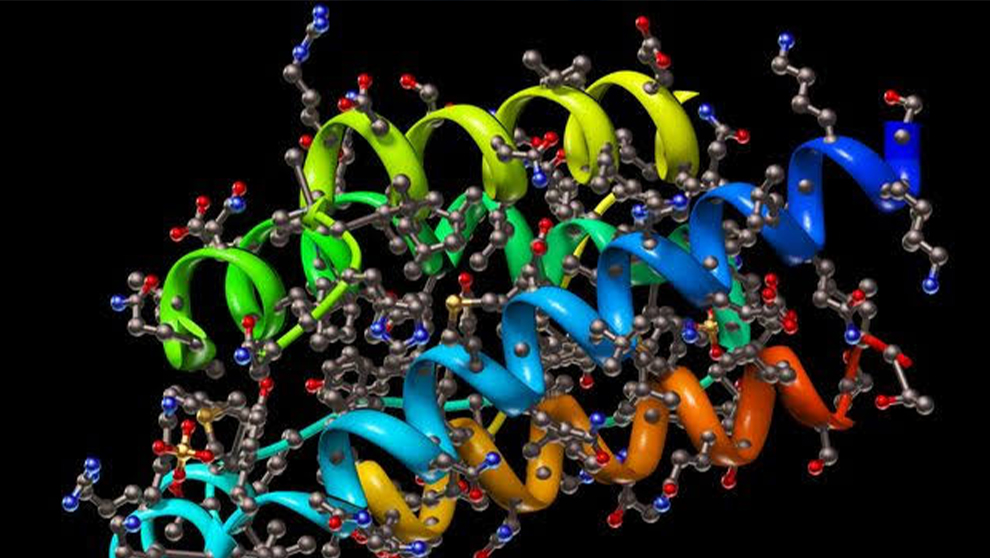
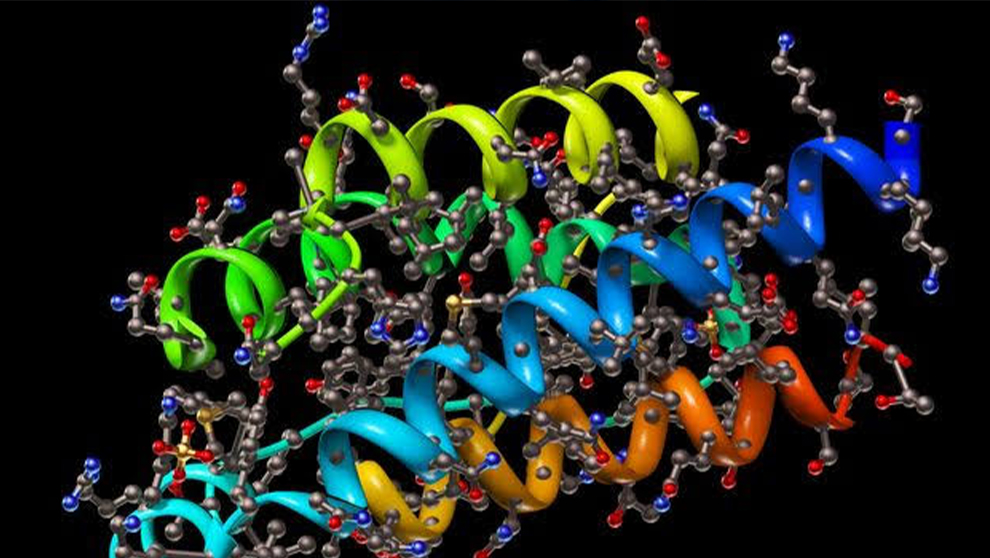
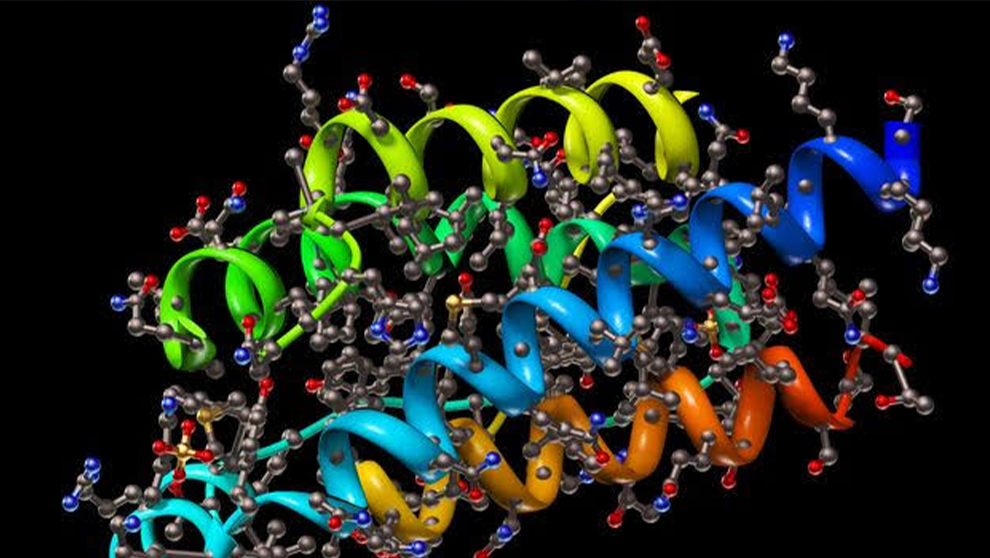
Probing Spin- and Valley-Dependent Phenomena in 2D Semiconductors Using Ultrafast Spectroscopy
Bose Institute combines advanced scientific research with research-oriented academic training in Biological, Chemical and Physical Sciences.
Bose Institute offers short-term training for students in Physical, Chemical and Biological Sciences under the guidance of Institute faculty.
Bose Institute provides research opportunities for postdoctoral fellows and research associates working in its diverse scientific research programmes.
The Integrated M.Sc.-Ph.D. programme combines postgraduate study with doctoral research training in Life Sciences and Physical Sciences.
Bose Institute offers Ph.D. programmes across Chemical, Interdisciplinary, Life and Physical Sciences, providing research training in diverse areas of modern science.


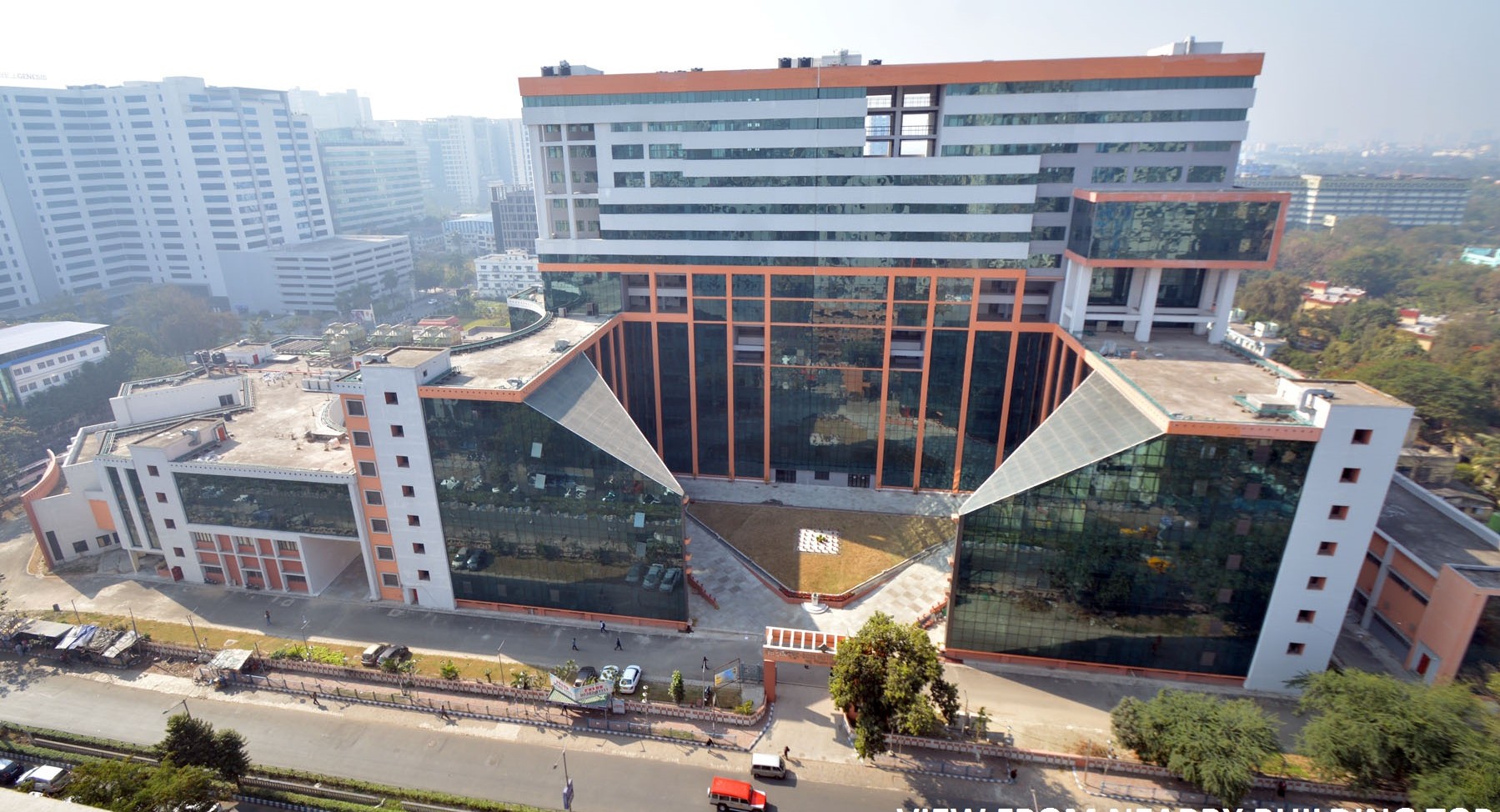
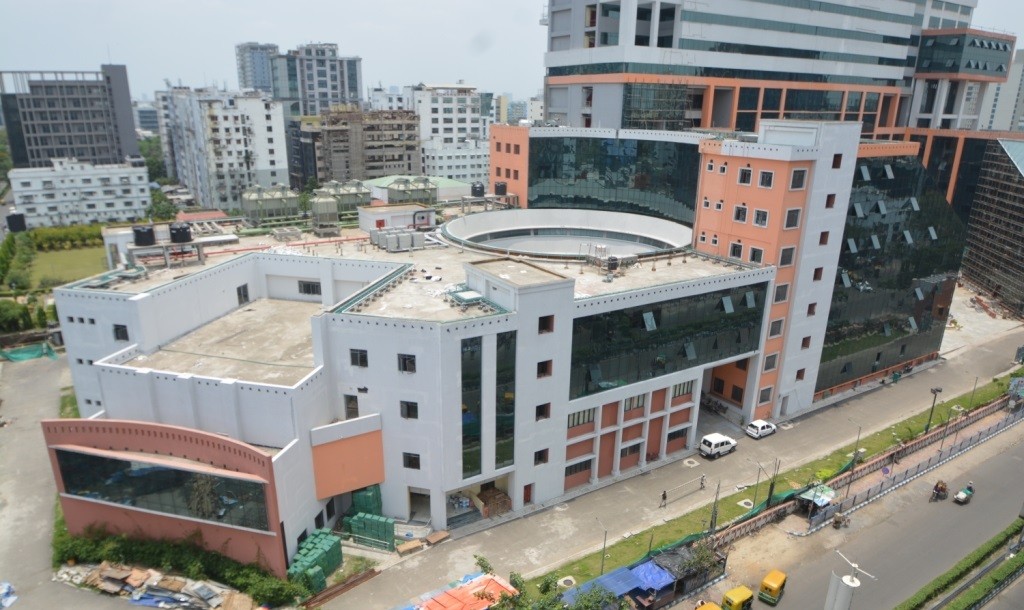
Bose Institute, founded in 1917 by the eminent scientist Acharya Jagadish Chandra Bose, is one of India’s oldest and premier research institutes, which currently runs as an autonomous institute under the Department of Science and Technology, Government of India. It started its journey in its ‘Main Campus’ located at Rajabazar in central Kolkata, whereas currently its primary functional campus is its Unified Academic Campus, located at Sector V, Bidhannagar, in East Kolkata. Currently, there are seven campuses of the Bose Institute across West Bengal. It was established with the vision of promoting interdisciplinary research in science, and since its inception, over the years, the institute has delivered pioneering work in Plant Physiology, Physics, Chemistry, and Biophysics.
Today, Bose Institute continues its legacy through multidisciplinary research in Biological, Chemical, and Physical Sciences. The Institute also offers Ph.D. and Integrated Ph.D. programmes while promoting scientific innovation, training, technology transfer, and outreach.

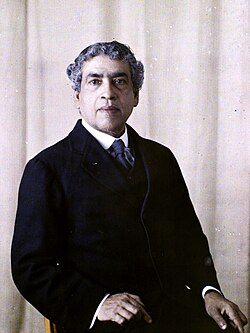
Bose Institute was set up in 1917 by Sir Jagadish Chandra Bose (1858 - 1937), the founder of modern science in the Indian subcontinent. It is Asia's first modern research centre devoted to interdisciplinary research and bears a century old tradition of research excellence. As outlined below, the scientific contributions of Acharya J.C. Bose in both physical and biological sciences are colossal. Even the most eminent of scientists would find it hard to match his strides, spanning various disciplines. Remarkably, these were realised under the colonial yoke amidst severe constraints and well-documented instances of racism.
Bose’s Galena detector was the first semiconductor device and photovoltaic cell, whose significance was not missed by Walter Brattain, Nobel laureate in physics [1]. Sir Neville Mott, another Nobel laureate, noted … "J.C. Bose was at least 60 years ahead of his time" and ...
Read More About the Founder